
Even If You Can Run the Simulation…
Can You Deliver the Plant Design?
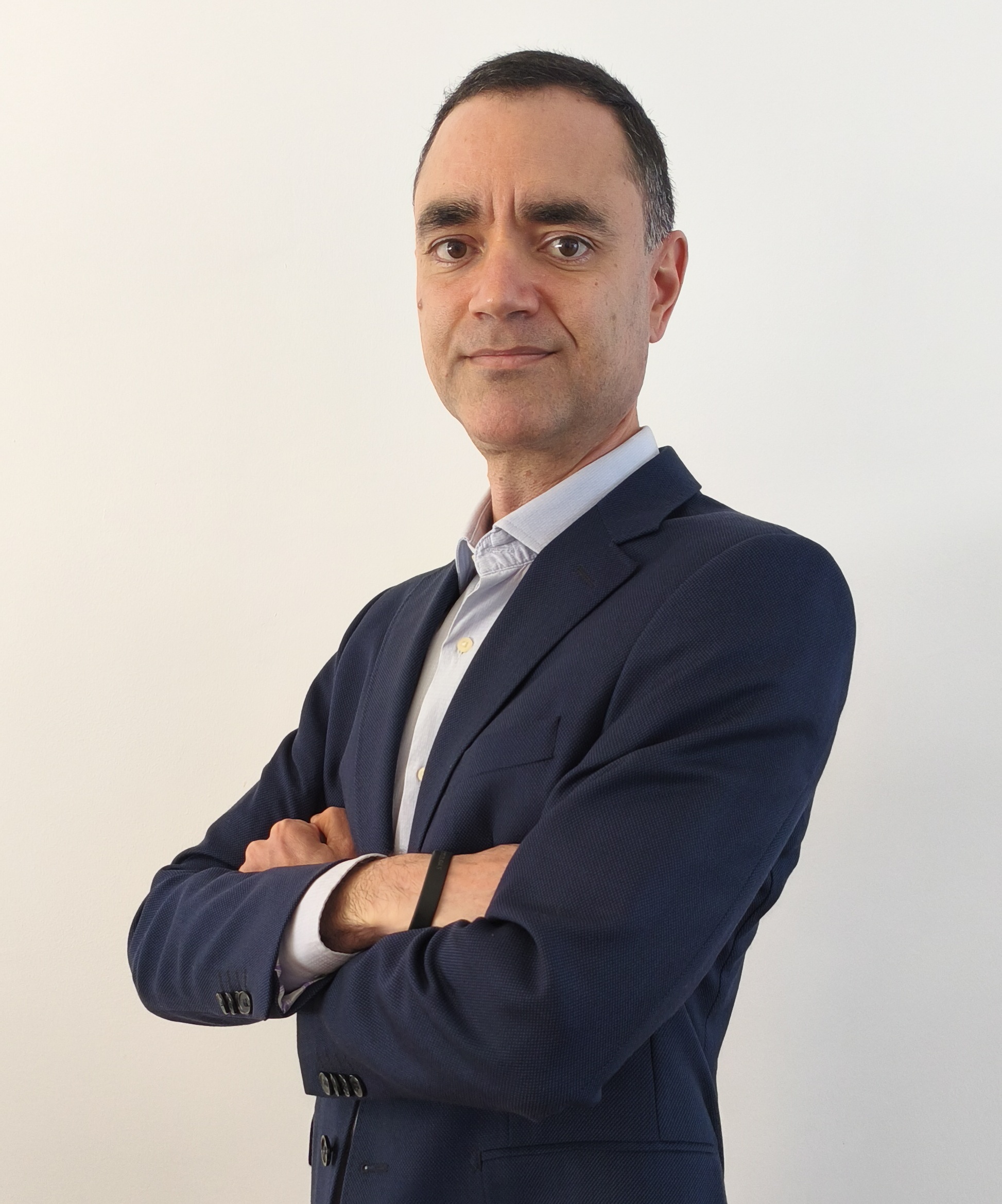
Since 2007, I have worked in plant design, commissioning, startup, and industrial troubleshooting across multiple countries. Today, I help Chemical Process Engineers develop the skills required to transform simulations into real engineering deliverables.
What Your Chemical Process Engineering Education Should Have Prepared You For
The Gap Between University and Industry Must Be Closed
Universities teach fundamentals. Industry expects deliverables. Most engineers discover this gap only after graduation, when they are asked to contribute to real projects for the first time. Closing that gap has become the central mission of my educational work.
Real Engineering Is Learned From Real Projects
Theory matters. Standards matter. Calculations matter. But the judgment that makes an engineer valuable comes from applying those concepts to real industrial problems. Knowing what assumptions to make, what information to challenge, and how decisions impact a project can only be developed through practice and experience.
Engineers Who Deliver Get Hired
Companies do not hire engineers simply because they know equations or software. They hire engineers who can contribute to projects, solve problems, and produce work that moves a project forward. The engineers who advance their careers are those who can transform technical knowledge into practical results.
Simulation Is a Tool. Deliverables Are the Job
Simulation is one of the most powerful tools available to a Chemical Process Engineer. But simulations alone do not build plants. Real projects require engineering outputs such as heat and material balances, PFDs, P&IDs, calculations, specifications, and datasheets. The objective is not the simulation itself—the objective is what you can do with it.
Where I Share My Knowledge
Most of what I know is available for free. Start here.
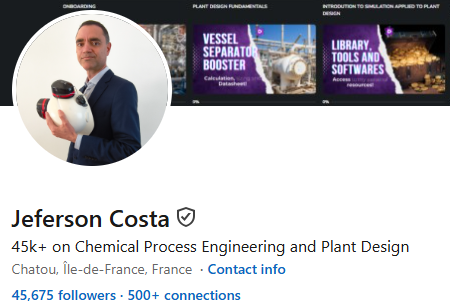
@jefersoncostaengineer
LinkedIn is where I share engineering insights, career perspectives, lessons learned from industrial projects, and observations from the global Chemical Process Engineering market. It is also where I publish most of my professional reflections and interact with engineers from around the world.
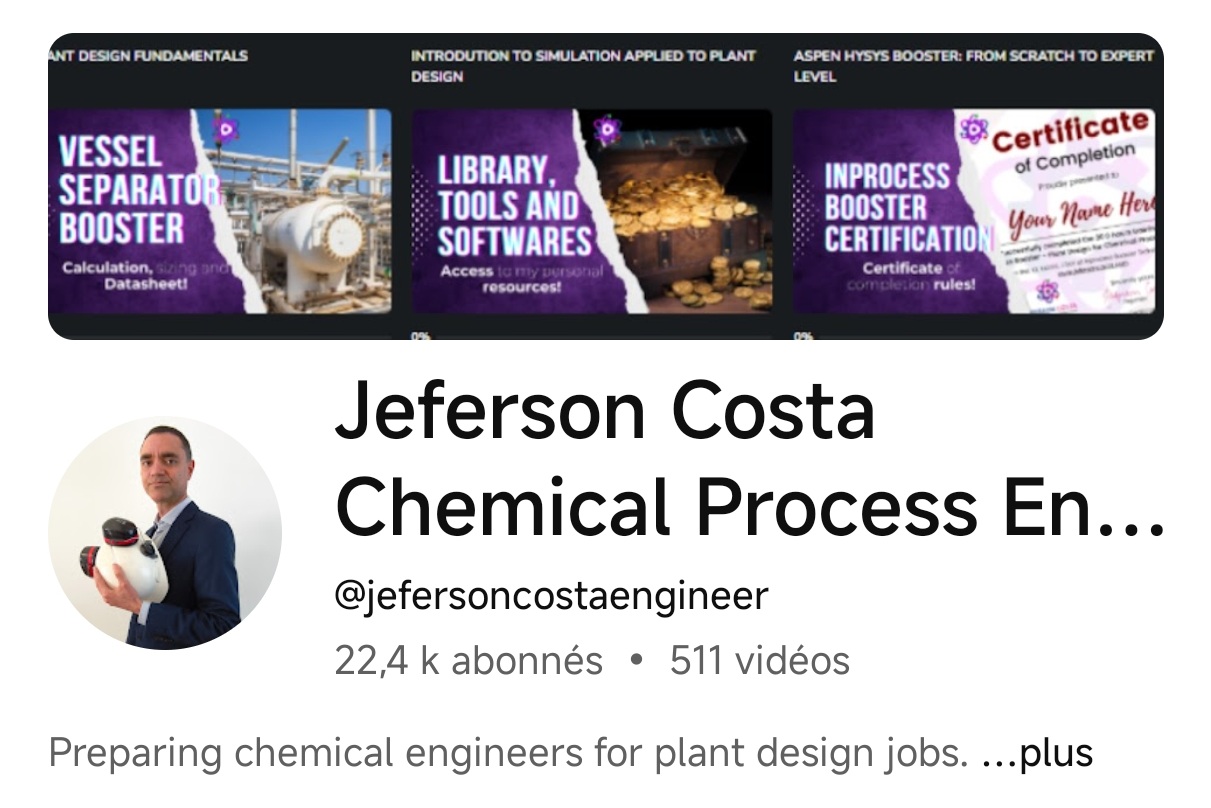
YouTube
@jefersoncostaengineer
On YouTube, I publish tutorials, engineering walkthroughs, and practical lessons focused on Chemical Process Engineering and Plant Design. From Aspen HYSYS simulations to equipment sizing, P&IDs, and engineering deliverables, the objective is always the same: helping engineers bridge the gap between theory and industry.
Inprocess Booster+ Framework
From Understanding the Process to Delivering Real Engineering Work
If the free content gave you direction, Inprocess Booster+ gives you the complete methodology.
The program is structured around a simple engineering workflow: DEFINE → MODEL → DESIGN → DELIVER.
Define
Think Like a Chemical Process Engineer
Understand plant design fundamentals, engineering thinking, and how to interpret process information before touching any software.
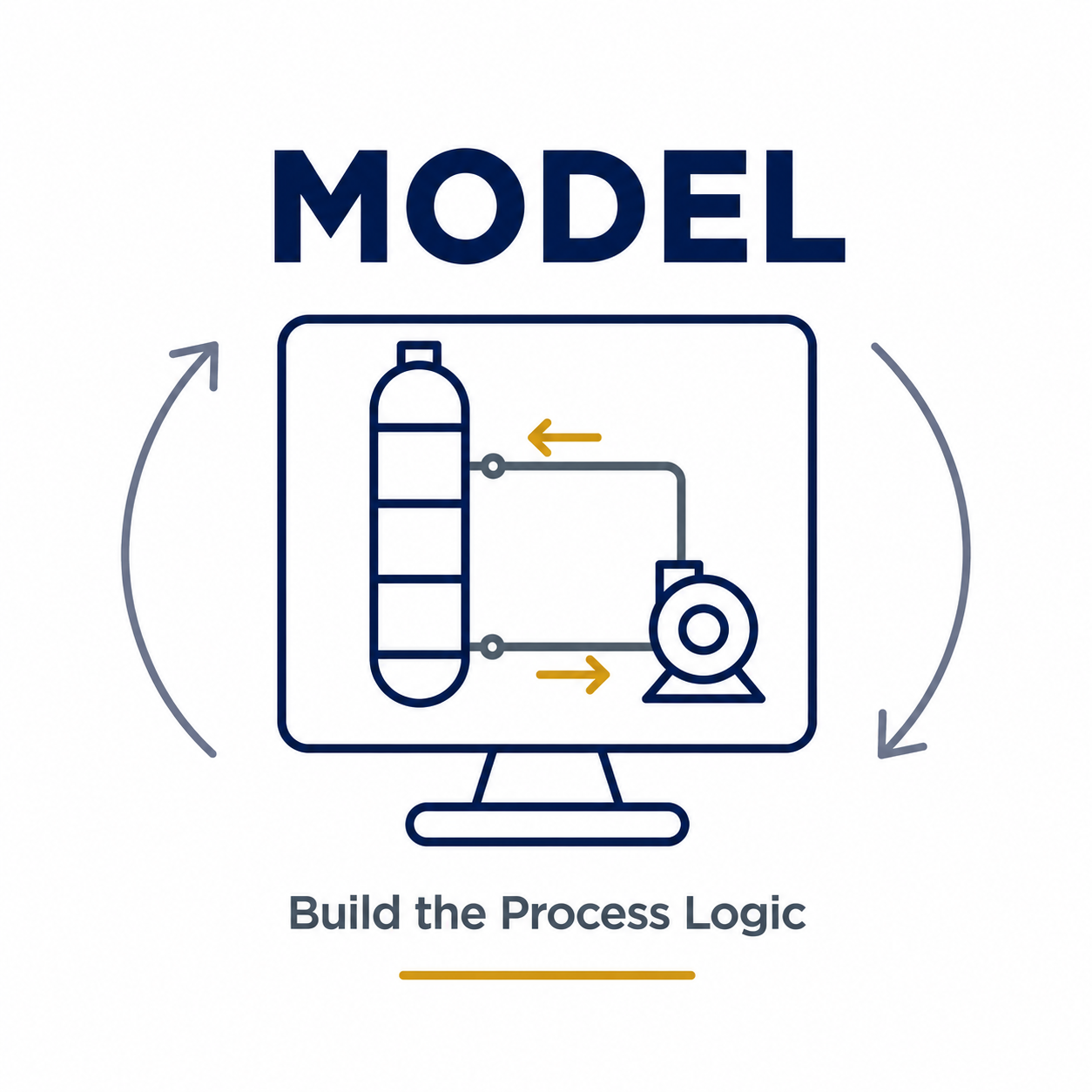
Model
Build the Process Logic
Create simulations, perform heat and material balances, and learn how process data is generated for engineering work.
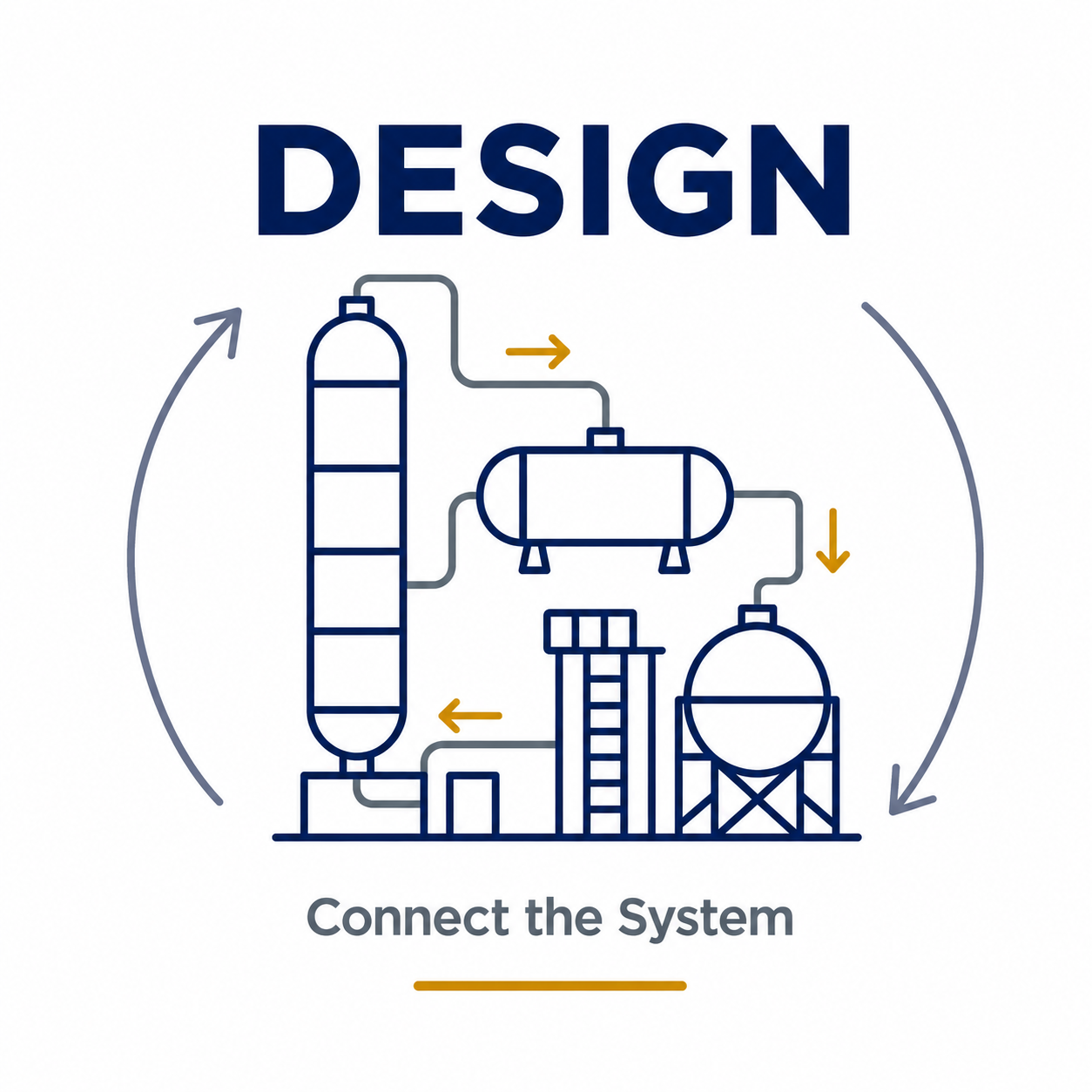
Design
Connect Data to Engineering Decisions
Learn how simulations become PFDs, P&IDs, equipment decisions, and real plant design logic.
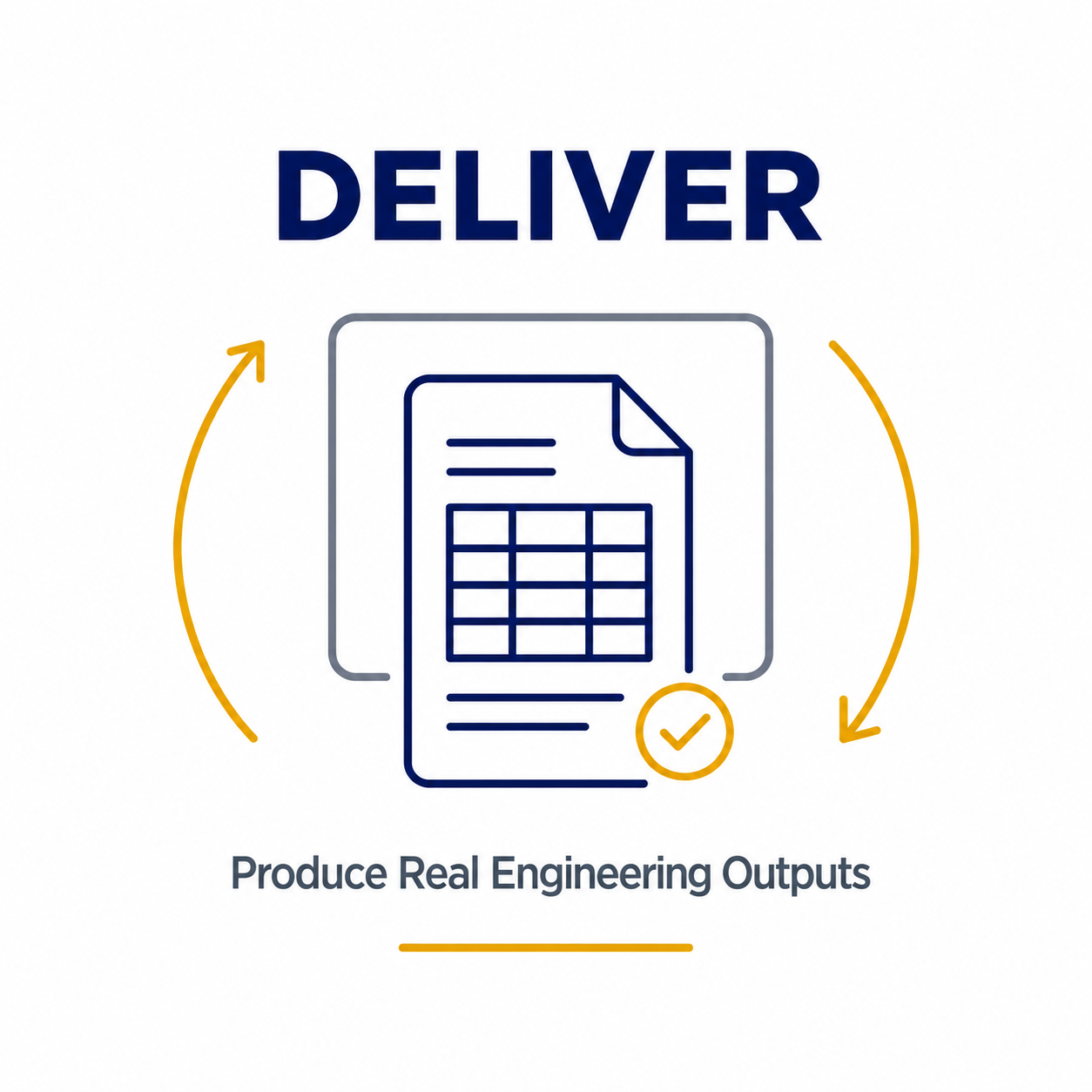
Deliver
Produce Real Engineering Outputs
Develop datasheets, engineering calculations, and documentation used by EPC companies and procurement teams.
You don’t need to feel lost anymore.
Inprocess Booster+ provides a clear roadmap to help you develop the skills, engineering mindset, and deliverables expected from Chemical Process Engineers working in plant design.
Engineers from 44+ countries are already following this framework to accelerate their careers in plant design.
Explore Inprocess Booster+A Chemical Process Engineering and Plant Design Journey
Five moments that shaped the way I think about engineering, careers, and industrial projects.
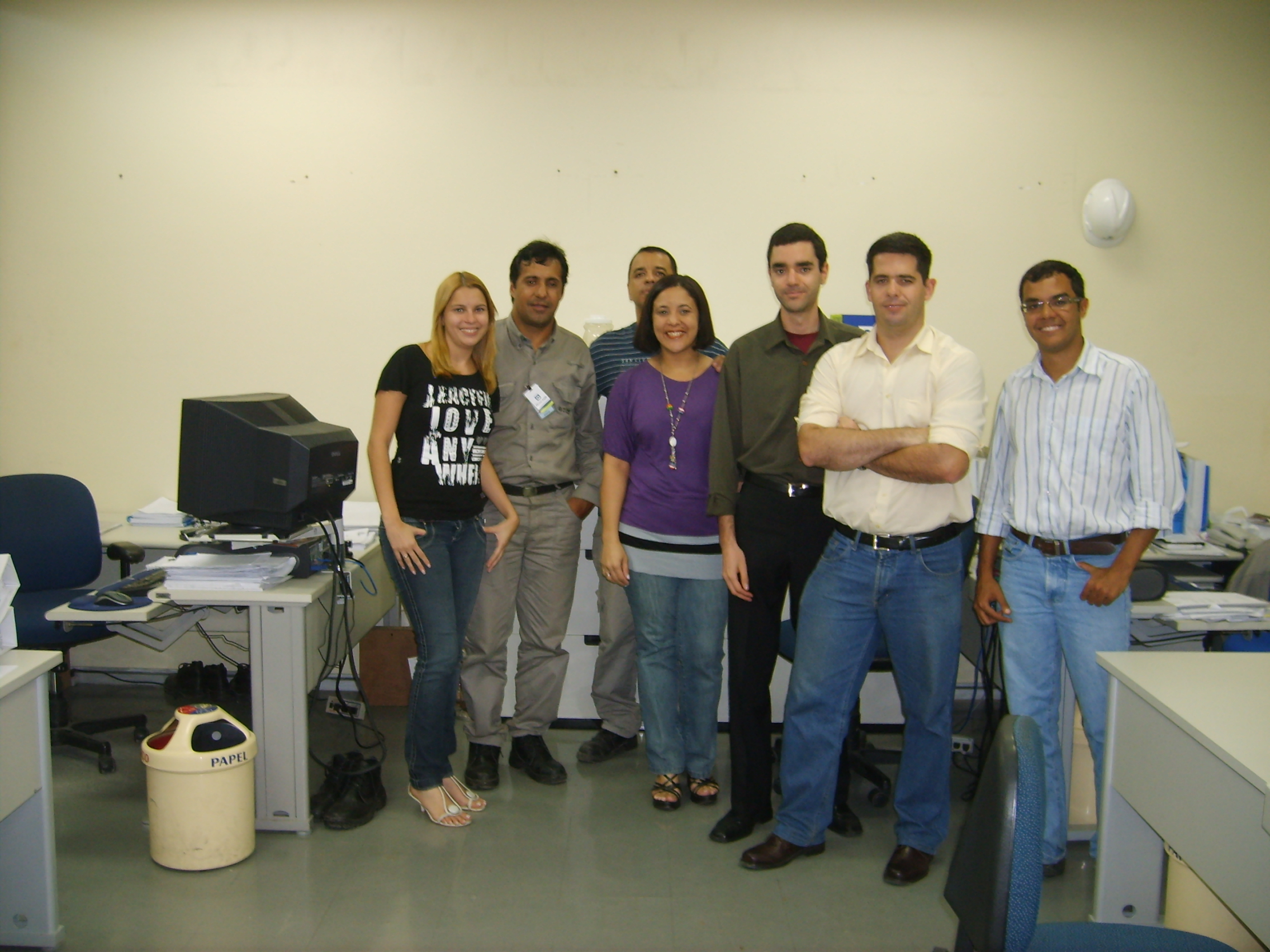
THE BEGINNING
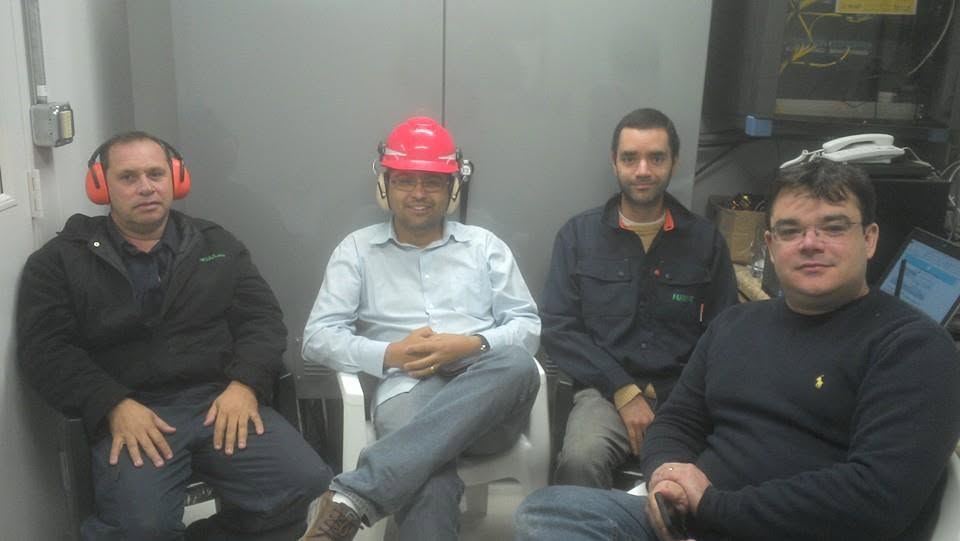
My first opportunity in plant design came after years of uncertainty, unsuccessful interviews, and persistence. This photo was taken during my early years at Suzano Petroquímica, where I began learning how industrial projects are developed beyond textbooks and classrooms.
It was there that I realized engineering is not only about calculations. It is about transforming ideas into solutions that can be built, operated, and maintained in the real world.
BEYOND THE OFFICE
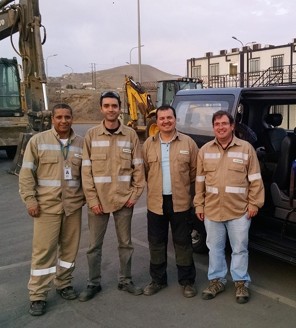
Most engineering education happens behind a desk. Much of my learning happened in industrial facilities.
Throughout my career, I have participated in plant startups, commissioning activities, troubleshooting, and field operations in different countries and industrial environments.
These experiences taught me that a successful design is not measured by calculations alone. It is measured by how it performs when the plant starts operating.
I ALMOST GAVE UP
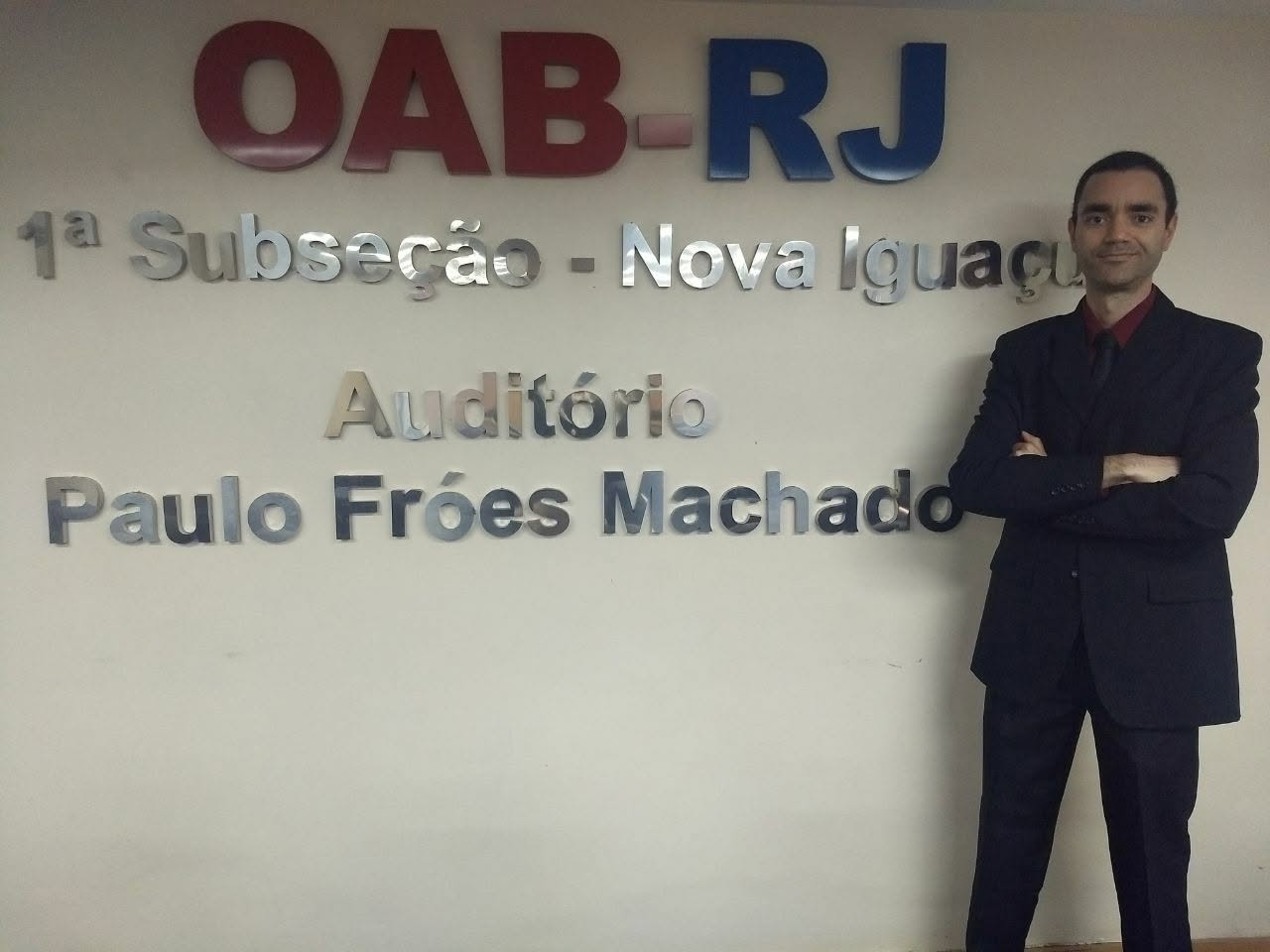
There was a point when I seriously considered leaving chemical engineering behind.
After years of professional frustration and uncertainty about my future, I began exploring a completely different career path. I even started preparing for a transition into law.
Looking back, this period became one of the most important lessons of my career. Sometimes the problem is not a lack of ability. Sometimes it is losing sight of the direction that genuinely motivates you.
BACK TO THE RIGHT PATH
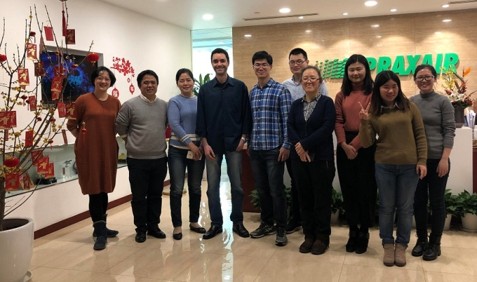
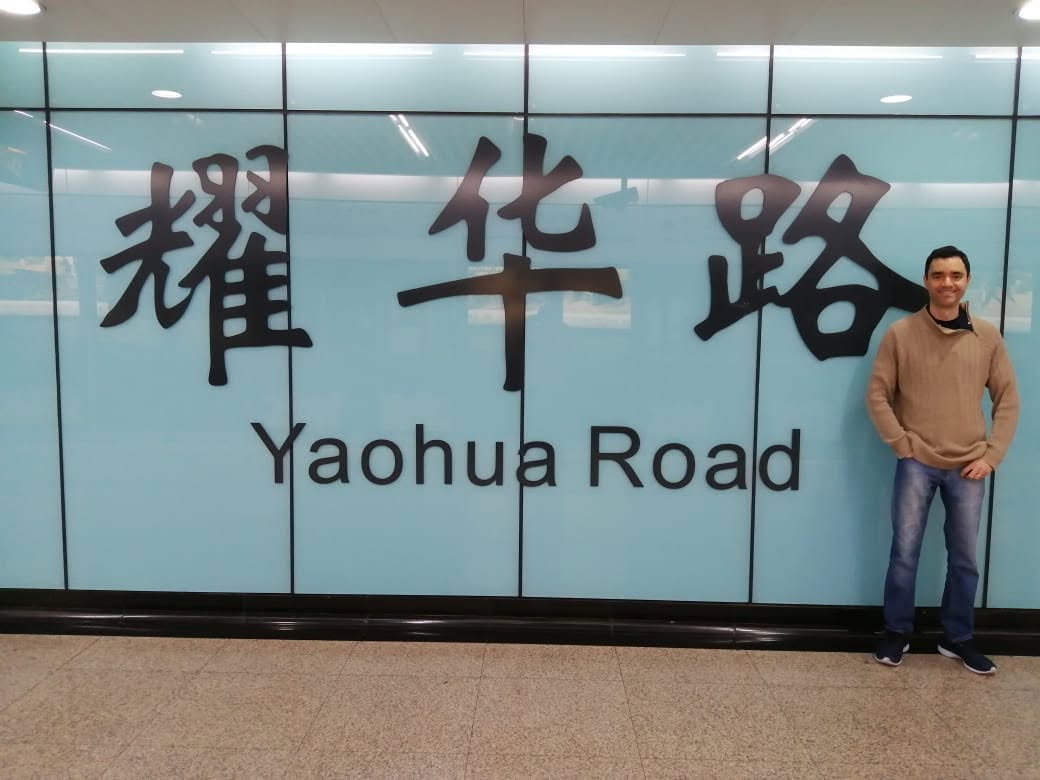
Moving to China transformed my perspective on engineering and on life.
Working alongside international teams while adapting to a completely different culture pushed me far beyond my comfort zone. It was also where I rediscovered my passion for chemical process engineering.
Shanghai reminded me why I had chosen this profession in the first place. It was the moment I stopped seeing engineering as a job and started seeing it as a long-term mission.
BUILDING AN INTERNATIONAL CAREER
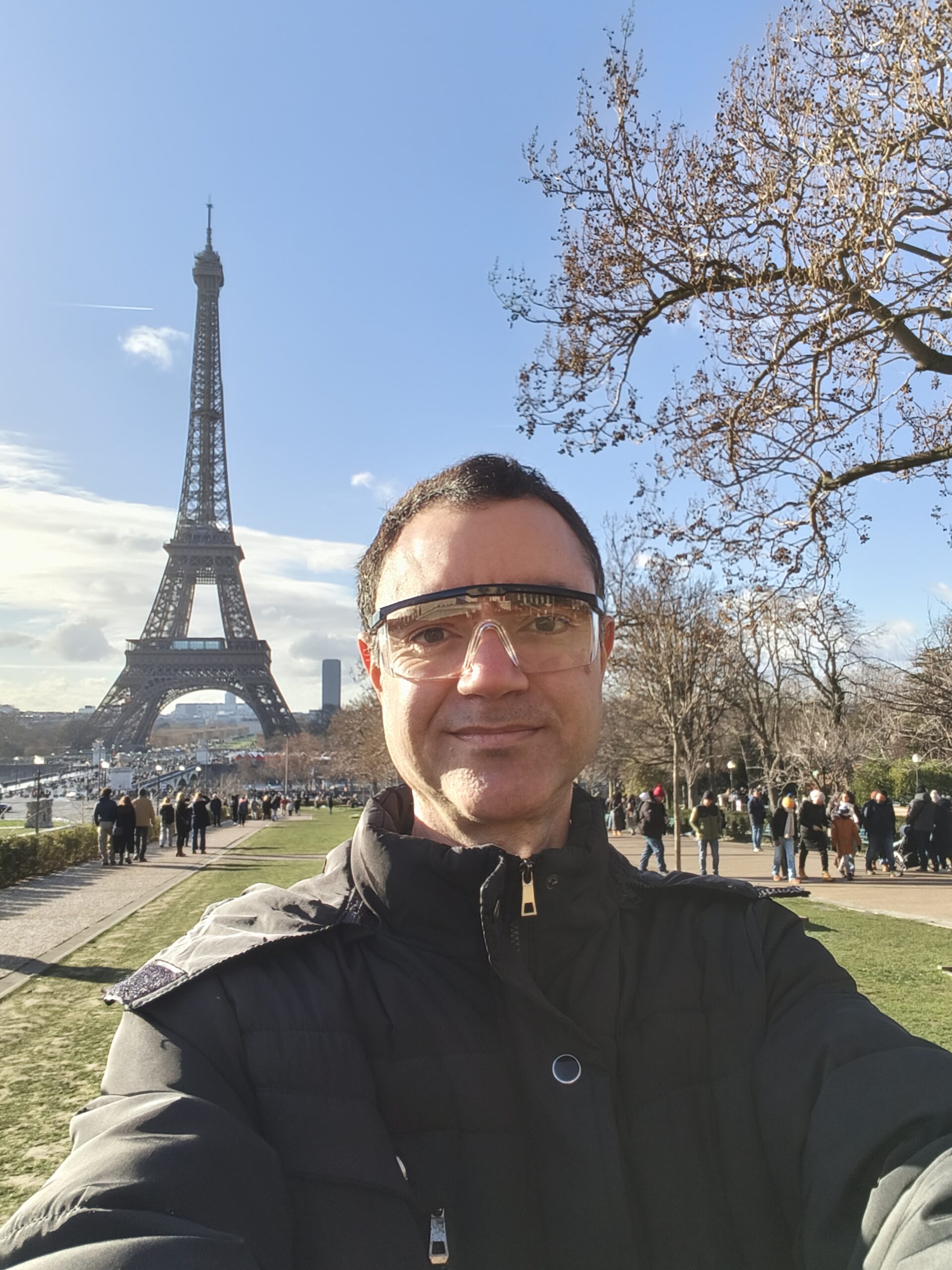
Today I live and work in France, contributing to industrial projects while sharing knowledge with Chemical Process Engineers around the world.
Interestingly, I did not start creating content with the goal of becoming an educator. I started because I wanted to become internationally recognized for my expertise and connect with engineers beyond the projects I was working on.
What began as a professional visibility project gradually evolved into something much bigger. Through LinkedIn, YouTube, and direct interactions with engineers from dozens of countries, I started seeing the same challenges repeated again and again: engineers struggling to understand what industry actually expected from them.
That realization changed my perspective.
Engineering has taken me from Brazil to projects, teams, and opportunities I could never have imagined when I started my career.
Today, my mission is to help the next generation of Chemical Process Engineers develop the skills, confidence, and direction needed to build meaningful careers in industry.
Technical Articles for Chemical Process Engineers
Practical insights on plant design, engineering deliverables, process simulation, equipment sizing, and career development.
Dozens of technical articles available.
Latest articles will appear here automatically when this page runs inside WordPress.